The Harmony of Breath and Brush
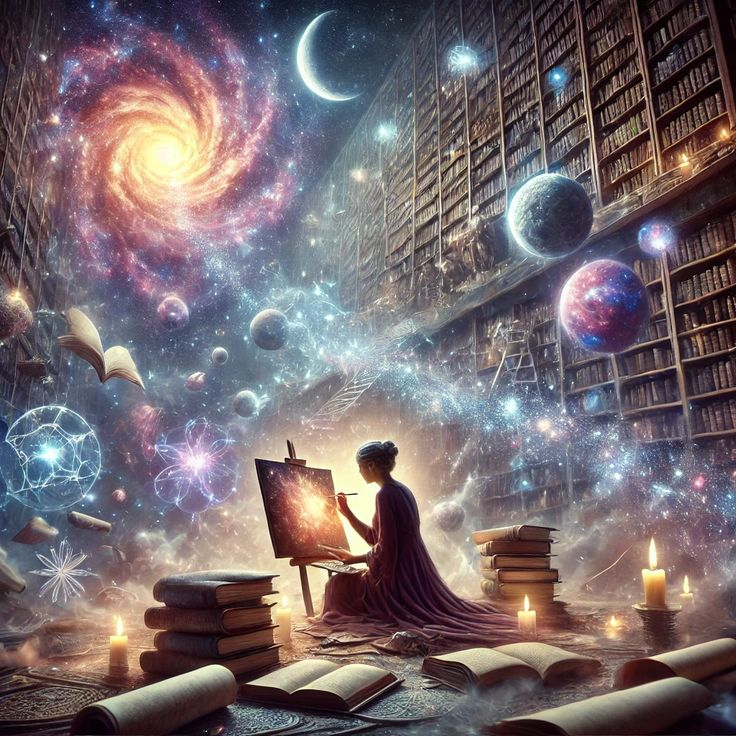
What if painting wasn’t just about colors and canvas, but also about the calm nestled between brushstrokes and breath? Art, when done with intention, is not just a movement of brush and strokes. It is a meditation—an active surrender to the rhythm of one’s inner world. The space between breaths becomes a sanctuary where creativity emerges not from chaos, but from conscious presence. These small pauses, often unnoticed, carry the raw essence of expression.
“Art is not what you see, but what you allow yourself to feel between brushstrokes and breathing.”
Understanding the Brush Stroke Definition
Let’s start with clarity. A brush stroke is not just a technical term for lines of paint on a surface. It’s an extension of the hand, the mood, and—perhaps most importantly—the breath. The brush stroke definition includes pressure, direction, speed, and texture. However, think of how different brushstrokes can emerge naturally when you’re calm versus when you’re anxious. Breath regulates the nervous system, and the nervous system controls your hand.
So, between brushstrokes and breaths, the artist transfers more than pigment—they transfer emotions.
The Art of Breath Strokes
Ever heard of breath strokes? It’s not a formal art term, but a growing concept in mindful art practices. Breath strokes refer to brush movements made in rhythm with inhaling and exhaling. This technique anchors the artist in the moment, making every movement intentional and connected. By coordinating your stroke with your breath, the canvas becomes a mirror of your breath work.
Try this mini exercise:
- Sit in front of your canvas or sketchpad.
- Inhale deeply. As you exhale, draw a line. Stop when the breath ends.
- Inhale again, lifting your brush or pen.
- Exhale and begin another stroke.
- Continue for five minutes.
Notice the difference. You’re no longer just painting—you’re tuned in, applying both mind and body.
Between Brushstrokes and Breathe—A Quiet Revolution
The phrase between brushstrokes and breathe invites a new perspective on creative process. It’s more than poetic; it’s a practice that can eliminate burnout, reduce artistic frustration, and even boost productivity. In a world rushing for results, slowing down between movements and breaths is revolutionary.
Why make space between strokes and breath?
- Enhances focus
- Reduces anxiety
- Improves stroke precision
- Builds emotional connection to artwork
- Trains presence over perfection
You don’t need a gallery to adopt this practice. All you need is a brush, a moment, and your own breath.
Different Brushstrokes, Different States of Mind
Think about the energy behind different brushstrokes—bold and quick, or soft and sweeping. These aren’t just aesthetic choices, they are reflections of how you are breathing. Shallow breath leads to rushed lines. Deep, steady breathing gives rise to strokes of care and confidence.
Explore the emotional vocabulary of your brush:
- Jagged, erratic strokes = anxiety, stress
- Smooth, curved strokes = calm, centered
- Heavy, dark strokes = intensity, depth
- Light, faded strokes = vulnerability, openness
“Between Brushstrokes and Breaths” Mindfulness Model
Incorporate mindfulness into your art practice using this model:
B-R-E-A-T-H-E Framework
- Be present—set intention before painting
- Regulate breath—slow and even breathing
- Engage senses—notice color, texture, smell
- Align motion—move brush with every exhale
- Trust intuition—don’t overthink the outcome
- Hold space—allow pauses between strokes
- Express freely—release judgment
Extending the Practice Beyond the Canvas
The stillness you cultivate between brushstrokes doesn’t have to end when you step away from your art.
Many artists and creatives find it helpful to anchor this same awareness through words, reflection, and gentle prompts—especially on days when creating visually feels difficult.
- A small daily reflection, like those found in 200 Seeds of Mind, can serve as a quiet reminder to return to breath, softness, and presence before you ever pick up a brush. One thought a day is often enough to reset the inner rhythm.
- For moments when your creativity turns inward, reflective tools such as The Inner Mirror offer space to explore what lives beneath the surface—shadow, emotion, intuition—much like layers of paint revealing deeper meaning over time.
- And when your creative practice feels ready to imagine beyond the present moment, a visual and intuitive tool like The Self-Love & Confidence Vision Board Book can help translate inner stillness into future visions, without force or urgency.
These are not tasks to complete, but companions to presence—ways to continue listening to what arises between breaths.
Choose Presence Over Perfection
The magic of painting lies not just in technique, but in the silent, sacred space between brushstrokes and breaths. Whether you’re a novice or a seasoned artist, presence will always elevate the craft beyond aesthetics. Let your next piece tell the story not only through color, but through calm.
Remember:
“Between brushstrokes and breath is where your art starts to speak.”